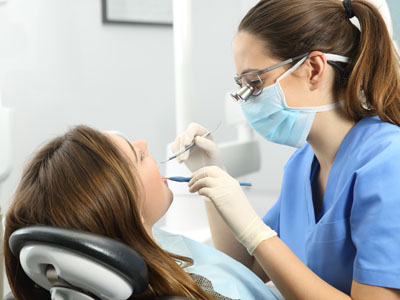
Keeping your smile healthy requires more than a good home routine. Even careful brushing and flossing can miss the microscopic films and deposits that collect in tight spaces and along the gumline. Professional dental cleanings address those hidden areas, refresh your mouth, and give your dental team a chance to catch early concerns before they become bigger problems. At Today's Dentistry San Jose, our cleanings are designed to be thorough, comfortable, and tailored to each patient’s needs.
Daily oral care removes much of the soft plaque that builds on teeth, but plaque begins to harden into tartar (calculus) within days. Once tartar forms, it adheres to tooth surfaces and under the gumline in ways that home tools simply can’t reach. Professional cleanings use clinical instruments and techniques specifically intended to break up and remove these stubborn deposits, reducing the bacterial load that causes cavities and gum inflammation.
Beyond visible buildup, professional cleanings help control biofilm — the complex community of bacteria that contributes to periodontal disease. Left unchecked, inflammation in the gums can progress silently and compromise the supporting structures of the teeth. Regular removal of irritants and a close periodontal exam allow your provider to identify early signs of gingivitis or periodontal breakdown and recommend the right next steps.
There is also a broader health benefit to consistent dental maintenance. Research increasingly links chronic oral inflammation to systemic conditions such as diabetes and heart disease. While cleanings are not a cure-all, they are an important preventive step in a comprehensive health plan and a cost-effective way to reduce the likelihood of more invasive treatments down the road.
A typical professional cleaning is a multi-step process performed by a licensed dental hygienist and supervised by the dentist. It begins with a brief clinical assessment: your hygienist will check for visible concerns, review any changes in your health history, and measure pocket depths around the teeth if indicated. These quick evaluations help determine how aggressive the cleaning needs to be and whether additional care is required.
The actual cleaning combines mechanical and ultrasonic techniques. Ultrasonic scalers use gentle vibrations and a controlled water stream to remove heavier deposits quickly, while hand instruments refine the tooth surfaces and access tight areas. After scaling, the hygienist polishes teeth to remove superficial stains and smooth the enamel, making it harder for plaque to reattach between visits.
Depending on your risk factors, the appointment may include supplemental services such as targeted fluoride treatment or the application of desensitizing agents for sensitive areas. Your hygienist will finish by advising on any areas that need extra attention at home and documenting findings so the dentist can review them during your exam.
The “twice a year” recommendation is a helpful baseline for many patients, but the ideal interval varies. For people with excellent oral health and low risk factors, semiannual visits are often sufficient. Others—such as smokers, patients with diabetes, those on medications that reduce saliva flow, or individuals with a history of periodontal disease—may benefit from more frequent maintenance every three or four months.
Periodontal maintenance is a specialized cleaning program for patients who have experienced gum disease or who require closer monitoring. These appointments are focused on controlling inflammation and preventing recurrence. Your dental team will assess your history, current gum measurements, and response to prior therapy to create a schedule that balances clinical need with convenience.
Open communication about lifestyle and health changes helps your provider adjust the plan over time. Pregnancy, new medications, or shifts in general health can alter your oral risk profile, and your hygienist will recommend changes to frequency or techniques accordingly to protect your smile.
Modern cleanings place a strong emphasis on patient comfort and infection control. Ultrasonic scalers are efficient and gentle, and many patients find them less fatiguing than prolonged hand scraping. For those with sensitive teeth or heightened anxiety, topical numbing gels or local anesthesia can be used selectively to keep the visit pain-free. Small comfort touches—nitrous oxide, blankets, or noise-masking techniques—are available in many practices to make the experience more relaxing.
Safety protocols are rigorous: single-use disposables, strict sterilization of instruments, and adherence to recommended infection-control practices protect both patients and staff. In addition, digital charting and imaging allow the team to track changes precisely and to share visual information with you so decisions are collaborative and well-informed.
We also emphasize ergonomics and efficient techniques to shorten chair time without sacrificing thoroughness. Your hygienist is trained to balance speed with attention to detail, ensuring that every cleaning is clinically effective while remaining as comfortable as possible.
Professional cleanings are most effective when paired with consistent, high-quality home care. Brushing twice a day with a fluoride toothpaste, daily interdental cleaning (floss or interdental brushes), and limiting frequent sugar exposure create the conditions for a healthier mouth between visits. Small improvements in technique—such as angling the brush toward the gumline or replacing a brush every three months—can yield meaningful reductions in plaque accumulation.
For patients with particular concerns, specific tools can close the gap between office visits. Electric toothbrushes with pressure sensors, water flossers, and prescription-strength mouth rinses are options your hygienist may recommend. These additions don’t replace professional cleanings, but they make the benefits of each cleaning last longer and reduce the pace at which new deposits form.
Ultimately, dental cleanings are a partnership. The clinical team removes what you can’t reach and watches for early problems, and you maintain the daily habits that keep those professional gains in place. When both sides do their part, the result is a cleaner, healthier mouth and fewer surprises at future visits.
Regular dental cleanings are a cornerstone of preventive care—practical, evidence-based, and tailored to each person’s risk. If you’d like to learn more about our approach or schedule an appointment, please contact us for more information. Today's Dentistry San Jose is committed to helping every patient maintain a healthy, comfortable smile.

A professional dental cleaning is a clinical procedure performed by a licensed dental hygienist or dentist to remove plaque, tartar and bacterial biofilm from tooth surfaces and just below the gumline. It combines assessment, mechanical scaling and polishing to improve oral hygiene and reduce inflammation around the teeth. Cleanings are tailored to each patient's needs and often include documentation and communication with the dentist for comprehensive care.
Unlike home brushing and flossing, a professional cleaning uses instruments and techniques that can reach microscopic deposits and tight spaces where disease often begins. The process also gives the dental team an opportunity to detect early signs of decay, gum disease or other oral health concerns. Regular cleanings are a preventive cornerstone that supports long-term tooth retention and gum stability.
Daily brushing and interdental cleaning remove much of the soft plaque that forms on teeth, but plaque mineralizes into tartar within days and bonds strongly to tooth surfaces. Once tartar forms, routine home care cannot remove it safely without clinical instruments, so professional cleanings are needed to break up and remove these hardened deposits. Removing tartar lowers the bacterial load that fuels cavities and gum inflammation.
Professional cleanings also address biofilm, a complex bacterial community that adheres to teeth and gums and can resist simple home measures. Left unchecked, biofilm-driven inflammation can progress from gingivitis to periodontal disease, which affects the tissues that support the teeth. Cleanings paired with risk-based monitoring help prevent that progression and preserve oral health.
A modern dental cleaning typically begins with a brief clinical assessment in which the hygienist reviews health history, checks for visible concerns and measures pocket depths when indicated. The hygienist then uses ultrasonic scalers to remove heavier deposits and hand instruments to refine root and tooth surfaces, followed by polishing to remove surface stains and smooth enamel. These steps are performed with attention to patient comfort and clinical efficiency.
Additional services may be provided based on individual needs, such as targeted fluoride applications, desensitizing agents for sensitive areas or focused oral hygiene coaching. Findings are documented so the dentist can review and determine whether further diagnostics or therapy are required. The entire visit is designed to reduce disease risk and leave the mouth in a healthier, more comfortable state.
The common guideline of visiting every six months is a useful baseline for many patients with low risk and stable oral health, but the optimal schedule varies by individual. People with risk factors—such as a history of periodontal disease, smoking, diabetes, reduced saliva flow or certain medications—often benefit from more frequent maintenance every three or four months. Your dental team will evaluate your gum measurements, disease history and overall health to recommend a personalized recall interval.
Periodontal maintenance is a specialized program for patients who have experienced gum disease and require closer monitoring and more frequent cleanings to control inflammation and prevent recurrence. The timing is based on clinical response to therapy and ongoing risk assessment rather than a fixed calendar interval. Open communication about lifestyle and health changes helps the team adjust the schedule as needed to protect your long-term oral health.
Most patients find routine dental cleanings comfortable; sensations vary depending on the amount of buildup, sensitivity and individual anxiety. Ultrasonic scalers are efficient and often less fatiguing than extended hand scaling, while topical gels or localized anesthetic can be used selectively for sensitive areas. Hygienists are trained to work gently and to pause or adjust technique when patients report discomfort.
For patients with heightened anxiety or sensitivity, many practices offer additional comfort measures such as nitrous oxide, blankets, noise-masking options or breaks during treatment. Clear communication with your hygienist before and during the appointment allows the team to tailor the experience and prioritize your comfort. These accommodations help ensure cleanings are both effective and tolerable for every patient.
Periodontal maintenance is an ongoing, tailored cleaning and evaluation schedule for patients who have been treated for gum disease or who demonstrate ongoing risk for periodontal breakdown. These visits focus on controlling inflammation, removing subgingival deposits and monitoring pocket depths to prevent disease recurrence. The procedures often require more frequent attention and sometimes adjunctive therapies compared with standard prophylactic cleanings.
Patients who have completed active periodontal therapy, those with a history of moderate to advanced periodontal disease, or individuals with systemic risk factors are common candidates for periodontal maintenance. The dental team determines the frequency and specific clinical steps based on response to prior therapy, current measurements and overall health. Consistent maintenance is essential to preserve the results of periodontal treatment and protect the supporting structures of the teeth.
Routine dental cleanings are generally safe and recommended during pregnancy, particularly in the second trimester, and they play an important role in maintaining oral health when hormonal changes can increase gum sensitivity. It is important to inform your dental team of your pregnancy, trimester and any related symptoms so care can be scheduled and adapted appropriately. Nonurgent radiographs are typically postponed unless they are clinically necessary and taken with proper shielding.
Patients with chronic medical conditions such as diabetes, cardiovascular disease or autoimmune disorders should share their medical history and current medications with the dental team before the visit. Certain conditions or medications can affect bleeding, healing and infection risk, so the hygienist and dentist will coordinate care and may consult with your physician when indicated. Clear communication ensures safe, effective cleanings that fit within your overall health plan.
Professional cleanings reduce the bacterial burden and chronic inflammation in the mouth, which helps prevent local disease and preserves the tissues that support the teeth. Emerging research links chronic oral inflammation with systemic conditions such as diabetes and cardiovascular disease, and while cleanings are not a cure for those conditions, they form part of a preventive strategy that supports general health. By controlling oral inflammation, cleanings can reduce a persistent source of physiological stress for the body.
Regular dental maintenance also allows for early detection of oral conditions that may have systemic implications, including signs of nutritional deficiencies or medication-related changes. Coordinated care between dental and medical providers helps ensure that oral findings inform overall health management. In this way, routine cleanings support a broader approach to long-term wellness.
Before a cleaning, review and update your medical history, current medications and any recent health changes so the dental team can tailor care and take necessary precautions. Bring a list of medications or alert the office to conditions that may affect treatment, such as bleeding disorders, recent surgeries or new prescriptions. If you experience dental sensitivity or anxiety, let the staff know ahead of time so comfort options can be arranged.
Avoid eating a heavy meal immediately before your appointment if you are prone to nausea during treatment, and continue routine home care up to the visit unless otherwise instructed. Arrive a few minutes early to complete any necessary paperwork and to discuss specific concerns with the hygienist. Clear preparation helps the visit proceed smoothly and maximizes the clinical benefit of the cleaning for your mouth.
After a cleaning, continue consistent home care by brushing twice daily with fluoride toothpaste and cleaning between teeth daily with floss or interdental brushes to slow reaccumulation of plaque. Your hygienist may recommend specific tools such as an electric toothbrush, water flosser or prescription rinses based on your oral condition and sensitivity. Following personalized home-care instructions helps extend the benefits of the professional cleaning and reduces the likelihood of new buildup between visits.
Keep scheduled recall appointments and report any new symptoms such as bleeding, persistent sensitivity or changes in fit for dental appliances so the team can intervene early. If you have questions about at-home products or need additional coaching, contact the practice to arrange a quick follow-up or consultation. The team at Today's Dentistry San Jose is available to support your home routine and to adjust professional care as your needs change.

Ready to schedule your next dental appointment or have questions about our services?
We’re ready whenever you are. Whether you have a quick question about a treatment or you're set to book your next visit, our team makes getting in touch effortless. Give us a call, drop an email, or use the form below to start a conversation. Your path to a healthier, more confident smile is just a message away—reach out today and let’s discuss how we can help.