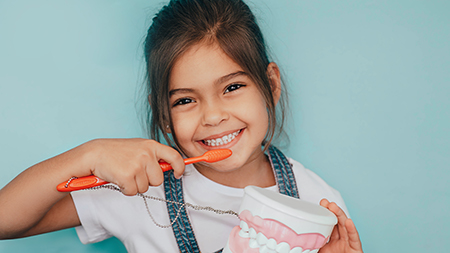
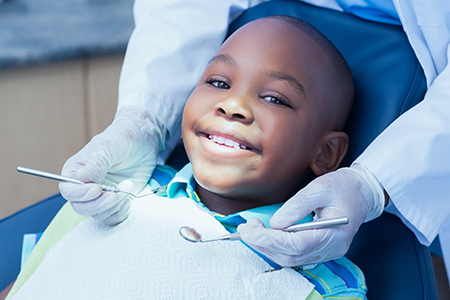
At the office of Today's Dentistry San Jose, the health and growth of your child's smile guide everything we do. Our pediatric dentistry services are designed to create strong oral habits, detect issues early, and make dental visits constructive experiences that set the stage for a lifetime of healthy teeth and confident smiles.

Good oral health starts long before a permanent tooth appears. Introducing children to predictable, positive dental care routines helps them understand that oral hygiene is part of everyday life, not something to be feared. Regular visits allow the dental team to reinforce at-home habits and to tailor guidance to each child's age and abilities.
Preventive care is the most effective way to reduce the chance of decay and other problems. During routine visits we focus on thorough but gentle exams, age-appropriate cleanings, and clear guidance for parents on brushing techniques, flossing timing, and how diet affects enamel. The goal is to make prevention practical and sustainable for busy families.
When a child learns the reasons behind recommended habits — why brushing matters, how sugary drinks affect teeth, and when to wear a mouthguard — those practices become part of their routine. We work with caregivers to create realistic, step-by-step plans that fit each child's temperament and family schedule so healthy habits stick.

Children respond best to dental care that feels friendly and predictable. Our treatment spaces, patient interactions, and appointment flow are all designed to reduce anxiety and build trust. We explain each step at an age-appropriate level, invite questions, and celebrate small successes to help kids feel empowered about their oral health.
Every child is unique — some are naturally comfortable in the dental chair, while others need more time and encouragement. We adapt our communication style and techniques so nervous patients feel safe. When necessary, we discuss behavior management options and practical strategies that make appointments successful without compromising care.
Parents play a central role in creating positive dental experiences. We provide clear coaching on what to say before a visit, how to model calm behavior, and how to reinforce good brushing at home. That partnership between family and dental team is a cornerstone of lasting oral health.
Baby teeth begin forming long before they are visible, and many infants begin to show their first teeth between six and twelve months. These primary teeth are essential for feeding, speech development, and guiding the eruption of permanent teeth. Early preventive care establishes a baseline and helps identify any early developmental concerns.
Parents often ask how to clean a baby's emerging teeth. For infants, a clean, damp washcloth or an infant toothbrush is usually sufficient; as more teeth appear, a soft-bristled brush and a pea-sized amount of fluoride toothpaste become appropriate. We provide easy, practical demonstrations so parents feel confident maintaining home care.
Teething can be uncomfortable but is usually manageable with simple, safe measures. Cold teething toys, gentle gum massage with a clean finger, and extra comforting routines can soothe irritation. If a parent ever has concerns about prolonged discomfort, unusual swelling, or feeding problems, we encourage them to contact the office for guidance.
Preventive treatments such as fluoride varnish and dental sealants are effective tools for protecting children's teeth, particularly the back molars where grooves can trap food and bacteria. These treatments are quick, painless, and applied selectively based on a child's risk factors and development, adding an extra layer of protection between routine cleanings.
Nutrition and behavior play a powerful role in prevention. Simple changes — replacing frequent sugary snacks with balanced options, encouraging water instead of sweetened beverages, and limiting nighttime bottles with milk or juice — make a measurable difference in reducing decay risk. We offer practical, family-friendly nutrition tips tailored to each child's needs and stage.
Active children benefit from properly fitted mouthguards for organized sports and recreational play. A custom mouthguard provides better protection and comfort than store-bought alternatives, and we can advise on the best options based on the sport and the child’s dentition. Protecting the smile today helps avoid preventable injuries tomorrow.
As children grow, their facial bones, jaws, and teeth change rapidly. Routine dental visits include assessments of jaw development, bite relationships, and eruption patterns so any deviations can be identified early. Early detection makes many developmental concerns easier to manage and can prevent more complex problems later on.
Orthodontic issues are most predictable when monitored over time. Some bite issues are evident in early childhood and benefit from observation or early intervention; others are best addressed once more permanent teeth have appeared. We coordinate care with orthodontic specialists when a referral will achieve the best long-term outcome for the patient.
Accidents and dental injuries are a reality for active kids. For urgent situations — significant tooth pain, a cracked or displaced tooth, or soft tissue injuries — prompt attention reduces the chance of lasting damage. Our office is prepared to evaluate emergencies and provide steady, clinically appropriate care to get children back on track.
Start dental visits early and make them routine.
Keep brushing and flossing consistent with age-appropriate tools.
Avoid letting infants fall asleep with bottles containing milk or juice.
Schedule regular exams and cleanings to catch issues while they are simple to treat.
Model good habits — children learn from the behaviors they see at home.
Choose healthy snacks and water as the primary drink between meals.
Encourage weaning from pacifiers and thumb-sucking at developmentally appropriate ages.
Use a mouthguard during sports and follow safety recommendations for activity.
The teenage years bring new responsibilities and new risks for the smile. With orthodontic care, increased independence, and lifestyle changes, teens need clear guidance to maintain oral health. We focus on practical strategies that fit a teen’s schedule and help them build routines that carry into adulthood.
As wisdom teeth develop and permanent teeth settle into place, periodic monitoring helps determine whether extractions or other interventions may be appropriate. Decisions about such procedures are made case by case, with attention to growth patterns, jaw alignment, and the long-term health of the bite.
Communication is key during this phase: we work with parents and teens to set realistic expectations, teach effective hygiene around braces and aligners, and to reinforce the importance of routine care. Empowering teens to take an active role in their oral health supports better outcomes and helps preserve a lifetime of healthy smiles.
If you would like more information about pediatric dentistry or want to discuss care for your child, please contact us for more information. Our team at Today's Dentistry San Jose is happy to answer questions and help you plan the right care for your family.

A pedodontist is a dentist who has received advanced specialty training in meeting the dental needs of children from infancy to adolescence. Pedodontists, also referred to as "pediatric dentists," study child psychology, behavior management, caring for children with special needs, methods of handling oral/facial trauma, and various techniques for providing anesthesia and sedation. Pedodontists also understand the complexities of facial growth and development and have the clinical skills required to meet the dental needs of all children at every stage of development. Most of all, pedodontists are passionate about what they do and enjoy working with children. They strive to make every dental experience a positive one as they help children establish a strong foundation for good oral health.
Even before your child is born, their first set of teeth is already forming. In fact, by one year of age, some of your baby's front teeth will have already come into place. While the arrival of your baby's first teeth is only one of many developmental milestones, it represents an excellent time to begin a program of oral care. According to recommendations from the American Dental Association, babies should see the dentist around the time of their first birthdays.
Your baby's first teeth typically begin to appear in the 6 to 12-month range. While this is an extraordinary milestone, you need to be aware that your baby may find the experience a little bit uncomfortable. Teething can make babies feel irritable. They may be fussy, have trouble sleeping, not want to eat, and drool quite a bit.
Although you are powerless to speed up the process of teething, there are a few things that you can do to soothe your baby as the new teeth are erupting into place. Common approaches to helping your baby feel more comfortable while getting new teeth, include teething rings or a cold spoon or moist gauze rubbed over their gums.
Even for these few new teeth, it's absolutely essential to establish an effective regimen of oral care. For information on when your baby's first set of teeth will erupt into place, consult this timeline from the American Dental Association: Eruption Charts
Some children persist in sucking their thumbs or fingers beyond their preschool years. For these children, the activity continues to be a source of comfort, relaxation, and security. It may even help them fall asleep at night. However, it's essential to be aware that in the long-term, a finger sucking habit is not healthy.
If your child's thumb or finger sucking habit is still present when the permanent teeth begin to come in, your child is at a higher risk of developing a bad bite. By the age of five or six years, you need to constructively and gently help your child stop the habit.
It's also a good idea to have a comprehensive evaluation at this time. Your pedodontist can assess if there are any habit related alterations to the alignment of your child's teeth or jaws, or if it is affecting their speech or swallowing patterns. They can also discuss habit control strategies with you, as well as follow your child's bite and facial development as they grow. If interceptive appliances or corrective orthodontic care are recommended, the timetable and best options in care will be explained in complete detail.

The American Academy of Pediatric Dentistry recommends a dental visit by a child's first birthday or within six months of the first tooth appearing. Early visits let the dental team evaluate feeding, oral development and risk factors while parents learn gentle home care techniques. Starting early also helps children become familiar with the office routine so future visits are less stressful.
At the first appointment we perform a simple, age-appropriate exam, discuss eruption timelines and demonstrate cleaning methods for infants and toddlers. We also review diet and pacifier or thumb-sucking habits that can affect early tooth development. The goal is to establish a preventive plan and answer caregiver questions before problems arise.
Child-focused care emphasizes clear communication, predictable routines and a welcoming environment that reduces anxiety. Clinicians explain each step at a level appropriate to the child's age, use positive reinforcement and allow time for the child to adjust to the exam or procedure. Treatment spaces, appointment flow and staff interactions are designed to build trust so children feel safe and supported.
The team adapts behavior management techniques to each child’s needs, ranging from distraction and tell-show-do methods to brief breaks when necessary. Parents are encouraged to participate in ways that reinforce calm behavior, and staff provide coaching on what to say before and during appointments. This approach helps transform dental visits into positive, constructive experiences.
Preventive care for children typically includes routine cleanings, fluoride varnish when appropriate and targeted dental sealants on the back molars to block decay-prone grooves. These treatments are quick, painless and chosen based on each child's risk factors and stage of development. Regular exams let the team tailor preventive steps and monitor effectiveness over time.
Nutrition counseling and hygiene instruction are equally important parts of prevention, as daily habits strongly influence decay risk. The practice provides realistic tips for families, such as reducing frequent sugary snacks and encouraging water between meals. When sports are part of a child’s routine, custom mouthguards are offered to prevent dental injuries.
As children grow, caregivers should model brushing and supervise until a child can reliably brush and spit on their own, usually around age 6 to 8 depending on dexterity. Flossing should begin once teeth contact each other, and the dental team can demonstrate age-appropriate techniques during visits. Regular professional exams reinforce these routines and allow adjustments for individual needs.
Teething often causes mild discomfort, irritability and increased drooling; parents can offer cold, safe teething toys or a chilled washcloth to soothe inflamed gums. Gentle gum massage with a clean finger can provide relief, and caregivers should avoid topical medications or numbing gels unless directed by a clinician. Most symptoms resolve with simple comfort measures and attentive care.
If a child experiences prolonged high fever, severe swelling, difficulty feeding, or signs of infection, parents should contact the dental office or pediatrician promptly. The dental team can assess whether the symptoms are teething-related or indicative of another issue requiring treatment. Early communication helps ensure the child receives appropriate care without unnecessary delay.
Modern dental radiography uses low-dose, digital X-rays and protective techniques to minimize exposure while providing valuable diagnostic information. X-rays are used selectively based on a child's caries risk, developmental stage and clinical findings, which allows the dentist to detect issues that are not visible during a routine exam. Protective measures, such as lead aprons and thyroid collars, are standard to further reduce exposure.
For many young children, bitewing or occlusal images are taken only when clinically necessary; panoramic or other imaging may be recommended to evaluate growth, tooth development or trauma. The dental team explains the rationale for any radiographs and answers caregiver questions about safety and benefits. Decisions about imaging always balance diagnostic need with the lowest reasonable exposure.
Children should wear a mouthguard during organized sports and recreational activities where facial impact is possible, especially contact sports like football, hockey, lacrosse and certain types of martial arts. A properly fitted mouthguard helps absorb shock, protect teeth and reduce the likelihood of soft tissue injuries. Custom mouthguards made by the dental practice offer better fit, comfort and protection than generic store-bought options.
The dental team advises on the most appropriate type of guard for the child’s sport and stage of dental development, and can fabricate a custom appliance when needed. Parents should regularly inspect mouthguards for wear and ensure they fit properly as the child grows. Replacing an outgrown or damaged guard maintains optimal protection throughout the season.
For dental emergencies such as a knocked-out permanent tooth, severe toothache, fractured teeth or soft tissue injuries, prompt evaluation is important and can improve outcomes. Caregivers should contact the dental office immediately for guidance; in the meantime, steps like controlling bleeding with clean gauze, retrieving and preserving a displaced tooth in milk or saline and reducing swelling with cold compresses can be helpful. The dental team will triage the situation and recommend urgent or same-day assessment when appropriate.
For injuries involving primary (baby) teeth, the approach may differ from permanent teeth, so professional evaluation is still recommended to prevent complications. The office will assess tooth vitality, possible damage to developing tooth buds and the need for follow-up monitoring. Clear instructions and timely care help reduce the risk of long-term problems after an injury.
Routine dental visits include monitoring jaw growth, tooth eruption patterns and bite relationships so potential orthodontic issues are identified early. Signs that warrant earlier evaluation include difficulty chewing, persistent thumb-sucking beyond preschool years, speech concerns related to dental structure, or uneven wear on teeth. Early observation is often sufficient, but some conditions benefit from timely intervention to guide development.
If the dentist notes developing malocclusion or skeletal discrepancies, a referral to an orthodontic specialist may be recommended to determine the optimal timing for treatment. Early guidance can simplify later orthodontic care and, in certain cases, reduce the extent of treatment needed during adolescence. Coordinated care between the dental practice and orthodontists supports the best long-term outcomes.
The teenage years bring increased independence, new risks such as sports, tobacco or vaping and sometimes orthodontic treatment, so tailored guidance is essential for maintaining oral health. We emphasize practical routines that fit a teen’s lifestyle, including effective brushing and interdental cleaning, consistent dental visits and strategies for hygiene around braces or aligners. Education about diet, smoking avoidance and the oral-systemic effects of certain behaviors helps teens make informed choices.
Parents and providers work together to shift responsibility gradually, with the dental team offering reinforcement, tools and age-appropriate instruction to build confidence. Periodic assessments during adolescence also address wisdom tooth development and the need for any interventions based on growth patterns. Families who support good habits in these years help set the foundation for a lifetime of healthy smiles at Today's Dentistry San Jose.

Ready to schedule your next dental appointment or have questions about our services?
We’re ready whenever you are. Whether you have a quick question about a treatment or you're set to book your next visit, our team makes getting in touch effortless. Give us a call, drop an email, or use the form below to start a conversation. Your path to a healthier, more confident smile is just a message away—reach out today and let’s discuss how we can help.