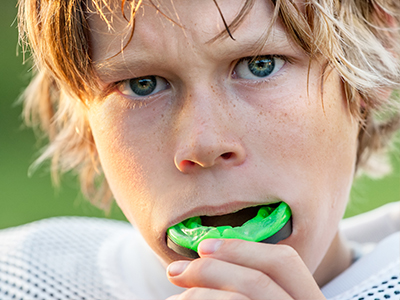
Sports-related impacts account for a significant share of dental and facial injuries each year, affecting athletes of all ages and levels. When collisions, falls, or stray objects occur, the teeth, lips, cheeks, tongue, and jaw are vulnerable to fractures, dislocations, and soft-tissue lacerations. Mouthguards act as a simple, scientifically supported barrier that absorbs and disperses force, reducing the chance of catastrophic dental damage and the need for restorative treatment.
Beyond protecting teeth, a properly fitted mouthguard can help minimize jaw injuries and reduce the severity of soft-tissue trauma. For athletes wearing braces or other orthodontic appliances, the right guard also prevents wires and brackets from cutting the cheeks and lips during contact. For parents and coaches, that protective effect means fewer emergency visits and more continuity in training and competition.
Prevention is less expensive in terms of discomfort, time lost from sport, and long-term dental care than treating a sports-related dental injury. Encouraging consistent mouthguard use — and choosing the correct type for the athlete’s needs — is one of the most effective steps teams, schools, and families can take to keep players safe on the field.
There are three broad categories of mouthguards commonly available: stock (pre-formed) guards, boil-and-bite models, and custom-fabricated guards made by dental professionals. Stock mouthguards come ready to wear but are rarely comfortable and often fit poorly, which can discourage continuous use. Boil-and-bite guards offer a better fit after they are softened and molded by the user, but they still rely on a one-size-fits-most approach and can be bulky or thin in the wrong places.
Custom mouthguards are made from impressions or digital scans of an athlete’s teeth and provide the most precise fit, coverage, and comfort. Because they conform accurately to the athlete’s dental anatomy, custom guards offer superior retention and protection while being thinner and less intrusive to breathing or speech. For athletes who need specialty coverage — for example, those with braces, implants, or a history of concussions — custom fabrication allows for tailored solutions.
Choosing between these options depends on the athlete’s sport, level of contact, and willingness to wear the device consistently. For casual recreational play, a well-fitted boil-and-bite guard may be adequate. For organized contact sports, athletes with orthodontic appliances, or anyone who wants the best possible protection and comfort, a custom guard from a dental professional is generally recommended.
It’s also worth noting that not all mouthguards provide the same balance of protection and comfort. Material quality, thickness in critical areas, and how the guard seats on the teeth all influence effectiveness. Evaluating those factors when selecting a mouthguard helps ensure the device will do its job—and that the athlete will actually keep it in.
The process for creating a custom mouthguard begins with an accurate record of the athlete’s teeth. Some dental practices still use traditional impressions to capture this detail, while many have adopted digital scanning technologies that create a precise, three-dimensional model without impression trays. Either approach gives the technician or laboratory the information needed to fabricate a guard that matches the athlete’s occlusion and mouth shape.
Once the model is available, the mouthguard is crafted from resilient, medical-grade materials chosen for shock absorption, durability, and comfort. Lab-fabricated guards are typically layered and thermoformed to create zones of different thickness—more material where protection is critical, and thinner profiles where speech and breathing benefit. The result is a guard that balances defense with minimal bulk so athletes can perform naturally.
After the initial fabrication, the mouthguard is tried in the athlete’s mouth and adjusted for fit, bite alignment, and comfort. Minor refinements—trimming edges, smoothing contact points, and confirming retention—ensure the final product stays securely in place during play. For athletes who change dental conditions over time (for example, wear braces or receive restorative work), follow-up checks and refabrication are recommended to preserve protection.
Selecting the appropriate mouthguard begins with the sport and the athlete’s specific dental situation. Full-contact sports such as football, hockey, and lacrosse present a higher risk for direct blows and are prime candidates for custom guards. Non-contact sports may permit more flexibility, but even in recreational settings a guard can reduce secondary injuries from falls and collisions. The player’s age, jaw and dental development, and any current dental appliances should all factor into the decision.
Comfort and fit play a major role in whether an athlete will wear a mouthguard consistently. A device that interferes with breathing, talking, or swallowing is less likely to be used when it matters most. Custom guards tend to perform better on these measures because they are tailored to an individual’s anatomy. For younger players, a guard that is easy to maintain and reasonably durable encourages regular use.
Another consideration is retention: a properly fitting guard should stay in place without constant biting or clenching. Guards that shift during play increase the risk of distraction and reduce protective function. When evaluating options, have the athlete try a guard during practice movements to confirm that it remains secure and unobtrusive under real-world conditions.
Proper care extends the life and effectiveness of a mouthguard while reducing bacterial buildup. Rinse the guard with cool water after each use and clean it with a soft toothbrush and mild, nonabrasive soap. Avoid hot water or dishwashers, which can warp thermoplastic materials. Store the guard in a ventilated case so it can dry between uses and remain protected from crushing or contamination.
Inspect the mouthguard regularly for signs of wear, thinning, or distortion. If the material becomes sticky, torn, or deformed, the guard’s protective qualities are compromised and it should be replaced. Also arrange a professional check whenever the athlete experiences a strong blow to the mouth—even if no immediate damage is apparent—since an impact can alter fit and performance.
Growth, orthodontic changes, and dental restorations can all affect fit over time. Young athletes may outgrow a guard as their mouths develop, and adults who receive crowns, bridges, or other restorations may need a new device to accommodate those changes. Regular evaluation by a dental professional helps ensure the guard continues to provide reliable protection without interfering with oral health or comfort.
At Today's Dentistry San Jose, our goal is to help athletes protect their smiles with the right combination of fit, comfort, and clinical oversight. If you’d like guidance about which mouthguard is best for your child or team, or to schedule an evaluation, please contact us for more information and we’ll be glad to assist.

Sports-related impacts are a leading cause of dental and facial injuries, and a properly fitted mouthguard provides a protective barrier that absorbs and disperses force. By reducing the energy transferred to teeth and surrounding tissues, a mouthguard lowers the risk of fractures, tooth displacement, and soft-tissue lacerations. Consistent use also reduces the likelihood of emergency visits and lengthy restorative treatment following an injury.
In addition to protecting teeth, mouthguards help minimize damage to the jaw and soft tissues and can prevent orthodontic appliances from causing cuts during contact. A device that fits correctly improves retention and comfort, which increases the chance athletes will keep it in during play. Encouraging routine wear is one of the most effective preventative measures teams, schools, and families can adopt to protect players.
Stock mouthguards come pre-formed and are rarely comfortable or retentive, while boil-and-bite models improve fit by allowing the user to mold the device after heating. Those over-the-counter options still use a one-size-fits-most approach and can be bulky, thin in critical areas, or fail to seat properly on the teeth. Fit, comfort, and consistent retention are common issues that limit the protective value of noncustom devices.
Custom mouthguards are fabricated from impressions or digital scans of an athlete's dentition, producing a precise fit and predictable retention. Because technicians can vary thickness and layer materials in key zones, custom guards provide an optimized balance of shock absorption and minimal bulk for breathing and speech. For athletes with braces, implants, or special clinical needs, custom fabrication allows for tailored solutions that over-the-counter products cannot match.
The process begins with a dental evaluation to document occlusion, orthodontic appliances, and any restorative work that will influence fit and protection. Many practices use digital impressions or traditional molds to create an accurate three-dimensional model of the mouth, which guides fabrication and helps ensure proper bite alignment. During the consultation the clinician will discuss sport-specific needs, materials, and retention preferences to create a clinical prescription for the laboratory.
Laboratory fabrication typically involves layering medical-grade materials and thermoforming to build thicker protective zones where impact is most likely and thinner profiles where breathing and speech are important. The athlete returns for a try-in and the clinician makes minor adjustments such as trimming, smoothing edges, and verifying retention under movement. At the office of Today's Dentistry San Jose we can perform the scan, fit the device, and provide follow-up checks to confirm continued protection as dental conditions change.
Mouthguards are primarily designed to protect teeth and soft tissues and to reduce jaw injuries, and their role in preventing concussions remains an area of active research. Some studies suggest that a properly fitted mouthguard can reduce certain transmitted forces to the skull by absorbing shock and stabilizing the jaw, but the evidence is not definitive enough to claim that any mouthguard reliably prevents concussions. Helmets, rule enforcement, proper technique, and conditioning remain the primary measures for concussion risk reduction.
Because mouthguards contribute to overall craniofacial protection and can help minimize jaw forces that might indirectly influence brain accelerations, they are still recommended as part of a layered safety strategy. Clinicians should counsel athletes and coaches on realistic expectations and emphasize that a mouthguard is one component of a broader prevention program. Any athlete who sustains a blow to the head or face should be evaluated promptly by a qualified healthcare professional for possible concussion, regardless of mouthguard use.
Rinse the mouthguard with cool water immediately after use and clean it regularly with a soft toothbrush and mild, nonabrasive soap to minimize bacterial buildup. Avoid hot water, dishwashers, and direct sunlight, which can distort thermoplastic materials, and never use abrasive cleaners or household disinfectants that can degrade the surface. After cleaning, allow the guard to air dry and store it in a ventilated case to prevent crushing and contamination.
Inspect the device frequently for thinning, tears, or changes in shape and replace it if the material becomes tacky, warped, or otherwise compromised. Do not chew on the guard or use it as a toy, and keep it away from pets and rough surfaces that could damage the material. Bringing the mouthguard to routine dental visits allows a clinician to check fit and recommend replacement or adjustment when necessary.
A mouthguard should be replaced if it shows visible signs of wear such as thinning, holes, tears, or permanent deformation, because damaged material no longer provides reliable protection. A new fabrication is also advisable after any substantial blow to the mouth, even if no immediate injury is apparent, since impact can alter fit and shock-absorbing properties. Regular professional checks are important after dental treatment, orthodontic changes, or restorative work that modifies occlusion.
Growing children and adolescents may need new guards more frequently as their mouths develop and primary teeth are replaced by permanent dentition. Adults should also have guards evaluated if they receive crowns, implants, or other restorations that change how teeth meet. Scheduling a review with your dental provider whenever dental conditions change helps ensure continued protection and comfort.
Athletes with braces typically require a guard that protects both the teeth and the orthodontic hardware; over-the-counter devices often fail to provide adequate coverage or can press brackets into the cheeks. Custom mouthguards can be fabricated with additional space and softer internal surfaces to prevent cutting and to reduce appliance-related trauma while still providing retention. For athletes with crowns, bridges, or implants, a custom device protects restorations and stabilizes occlusion to limit stress on adjacent teeth.
Orthodontic patients should consult the treating orthodontist and the dental provider to coordinate timing and design so that the guard does not interfere with active tooth movement. Periodic refitting or replacement may be necessary during treatment to maintain effective coverage and comfort. Working with a dental professional ensures that the chosen option addresses both protective needs and ongoing dental care plans.
Selecting the appropriate guard depends on the level of contact in the sport, the athlete's age and dental development, and any existing appliances or restorations. High-contact sports such as football, hockey, and lacrosse generally call for the superior protection and tailored fit of a custom mouthguard, while low-contact recreational activities may permit well-fitted boil-and-bite options. Considerations such as breathing, speech, and retention under movement are critical to ensure the athlete will wear the device consistently.
Trying a mouthguard during practice movements and testing for secure retention without obstructing breathing offers a practical way to evaluate suitability. Discuss sport-specific demands with a dental professional who can recommend material choices, thickness distribution, and design features appropriate for the player. Prioritizing comfort and function increases compliance and maximizes protective benefit on game day.
Youth athletes should not generally wear an adult mouthguard because their jaws and dental arches change as they grow, and a poor fit reduces protection and comfort. Children and adolescents often need smaller devices or adjustable options until their permanent teeth and occlusion stabilize. Growth, tooth eruption, and orthodontic treatment all influence fit, so periodic replacement is common in younger athletes.
For convenience some families use boil-and-bite guards while waiting for a professional custom fit, but even those should be sized for the child's dentition and evaluated regularly. A dental professional can advise on timing for a custom guard and schedule follow-up visits to ensure the device remains effective as the athlete develops. Prioritizing professional guidance helps maintain protection throughout growth phases.
Successful integration begins with education for coaches, parents, and athletes about the protective benefits and proper care of mouthguards, combined with consistent enforcement of wearable rules during practices and games. Organized fitting sessions, designated storage and cleaning protocols, and clear replacement schedules all support long-term use and reduce the chance of lost or damaged devices. Practical policies that make wearing a mouthguard routine—rather than optional—help normalize the behavior across all levels of play.
Schools and teams may coordinate with local dental professionals to arrange bulk fittings, instructional demonstrations, or periodic screening clinics to confirm fit and function. Today's Dentistry San Jose can work with school programs to provide clinical fittings and guidance on maintenance practices that extend the life and effectiveness of devices. Establishing a simple system for checks and replacements ensures athletes receive consistent protection without disrupting team operations.

Ready to schedule your next dental appointment or have questions about our services?
We’re ready whenever you are. Whether you have a quick question about a treatment or you're set to book your next visit, our team makes getting in touch effortless. Give us a call, drop an email, or use the form below to start a conversation. Your path to a healthier, more confident smile is just a message away—reach out today and let’s discuss how we can help.