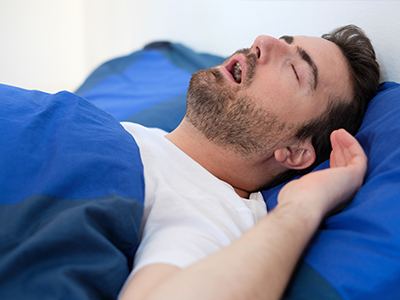
The image depicts a man lying down with his face covered by his hands, appearing to be in a state of distress or concern, set against a blurred background that suggests an indoor setting.

Sleep Apnea Treatment in San Jose

Restful sleep is a foundation of good health. When breathing is interrupted repeatedly during the night, the quality of sleep—and daytime function—can be seriously affected. Estimates suggest roughly 25 million adults in the United States live with obstructive sleep apnea, a condition closely linked to loud snoring and fragmented sleep. At the office of Today's Dentistry San Jose, we provide dental sleep medicine services that help identify and manage airway problems so patients can sleep more safely and feel better during the day.

Understanding What Sleep Apnea Really Is

Sleep apnea is a disorder in which breathing repeatedly slows or stops during sleep. The most common form, obstructive sleep apnea (OSA), happens when soft tissues in the throat relax and partially or fully block the airway. These pauses can last several seconds and may occur many times an hour, disrupting the normal sleep cycle and reducing the amount of oxygen delivered to the body.

Although the mechanics sound straightforward, the downstream effects are complex: disrupted sleep architecture, persistent daytime fatigue, and strain on the cardiovascular system. Sleep apnea ranges in severity, from occasional breathing interruptions to more frequent, prolonged events that require urgent medical attention.

Risk factors are varied. Excess weight, a thick neck, nasal congestion, alcohol use before bedtime, and certain craniofacial features can all increase the chance that the airway will collapse during sleep. Age and male sex are also associated with higher prevalence, but sleep apnea can affect adults of any age and even some children.

How Sleep Apnea Shows Up — Night and Day

Many people first notice sleep apnea because of loud, chronic snoring or because a bed partner reports pauses in breathing. Those nighttime signs often include snorts, gasps, or sudden awakenings that leave the sleeper feeling as though they’ve been suffocating. These events fragment restorative deep sleep and prevent the body from cycling naturally through the stages needed for physical and mental recovery.

The daytime consequences are equally important. Individuals with untreated sleep apnea frequently experience persistent sleepiness, difficulty concentrating, memory lapses, and mood changes such as irritability or low tolerance for stress. Tasks that require attention—driving, operating machinery, or even managing complex work—become riskier when sleep is chronically compromised.

Beyond immediate symptoms, sleep apnea is associated with broader health concerns. Recurrent drops in oxygen and repeated surges in nighttime blood pressure place stress on the heart and metabolic systems. For that reason, identifying and addressing sleep apnea is a matter of both symptom relief and long-term health maintenance.

How Sleep Apnea Is Evaluated and Diagnosed

Diagnosis begins with a careful review of symptoms and medical history. Your dental or medical provider will ask about snoring patterns, witnessed breathing pauses, daytime sleepiness, and related symptoms. Screening tools can help prioritize who needs further testing, but they are only the first step in a formal evaluation.

The definitive diagnosis typically comes from a sleep study. In-lab polysomnography records sleep stages, respiratory events, oxygen levels, and heart activity in a highly controlled setting. Home sleep apnea tests are an alternative for many patients; these simplified studies measure breathing and oxygen levels over a night in a familiar environment. A sleep physician interprets the results to determine the presence and severity of apnea and to recommend appropriate therapy.

Dental practices that offer sleep apnea care work closely with physicians. Dentists screen and fit oral appliances when appropriate, but diagnosis and a comprehensive treatment plan should always involve the patient’s medical team. This collaborative approach ensures that dental therapies are safe, effective, and matched to each person’s overall medical picture.

Modern Treatment Pathways: Matching Therapy to Need

Treatment for sleep apnea is personalized. Continuous positive airway pressure (CPAP) devices remain the first-line therapy for moderate to severe OSA because they are highly effective at splinting the airway open during sleep. CPAP delivers a steady stream of pressurized air through a mask, preventing airway collapse and restoring uninterrupted breathing.

However, not every patient tolerates CPAP. For people with mild to moderate sleep apnea—or for those who cannot use CPAP consistently—custom oral appliances are an established and practical option. These devices are worn at night like a mouthguard and are designed to reposition the jaw and tongue to keep the airway open. When properly made and adjusted, oral appliances can significantly reduce apneas and improve sleep quality.

Other strategies can complement device-based treatments. Lifestyle changes—such as weight management, avoiding alcohol close to bedtime, and changing sleep position—may reduce symptoms for some individuals. In selected cases, surgical interventions are considered, but such approaches are tailored to specific anatomical issues and are determined in consultation with surgical and sleep medicine specialists.

Whatever the chosen therapy, follow-up is essential. Effective care includes monitoring how well the treatment reduces breathing events, addressing side effects, and adjusting the plan as needs evolve over time.

The Value of Custom-Fit Oral Appliances and Professional Monitoring

Not all mouthguards are created equal. Over-the-counter devices may offer temporary relief for some snorers, but custom-fit oral appliances made by a qualified dental sleep medicine provider deliver superior comfort, retention, and clinical effectiveness. A personalized device is fabricated from precise impressions or digital scans and is fine-tuned through incremental adjustments so it works for the individual’s anatomy and symptom profile.

Professional oversight minimizes potential side effects. Because oral appliances change jaw and bite relationships over time, periodic dental evaluations ensure that tooth movement, jaw discomfort, or other issues are identified early and managed proactively. A coordinated plan with a sleep physician also evaluates whether the appliance is sufficiently reducing apneas and improving sleep-related symptoms.

Choosing a practice experienced in dental sleep medicine means selecting a team that understands both the oral mechanics involved and the broader health implications. The goal is to provide a comfortable, effective device that integrates safely with a patient’s overall treatment plan and improves nightly breathing without compromising long-term dental health.

Wrap-up: Sleep apnea is a common but treatable condition with wide-ranging effects on health and daily life. Early recognition, accurate diagnosis, and a collaborative approach to treatment give patients the best chance of restoring healthy sleep. If you have concerns about snoring, daytime sleepiness, or interrupted breathing at night, contact us to learn more about evaluation and treatment options for sleep apnea.

The image shows a logo with text that reads  TD  at the top, followed by  Today s Seniors Testimony,  indicating that the logo likely represents an organization related to senior citizens sharing their experiences.

Frequently Asked Questions

What is sleep apnea?

+

Sleep apnea is a common sleep disorder in which breathing repeatedly slows or stops during sleep. The most common form, obstructive sleep apnea, occurs when soft tissues in the throat relax and partially or fully block the airway. Estimates suggest roughly 25 million adults in the United States are affected, many of whom remain undiagnosed.

These breathing pauses fragment normal sleep architecture and reduce oxygen delivery to the body, which can cause persistent daytime fatigue and impaired concentration. Recurrent nighttime oxygen drops and blood pressure surges also place strain on the cardiovascular system over time. The office of Today's Dentistry San Jose provides dental sleep medicine services that screen for airway problems and integrate oral appliance therapy into a broader treatment plan.

What are the common signs and symptoms of sleep apnea?

+

Nighttime signs often include loud, chronic snoring, witnessed pauses in breathing, gasping or choking sounds, and frequent awakenings. Bed partners commonly report observable breathing interruptions that the patient may not remember. These events indicate disrupted restorative sleep and warrant professional evaluation.

Daytime consequences commonly include excessive sleepiness, difficulty concentrating, memory lapses, and mood changes such as irritability. Untreated sleep apnea also increases the risk of accidents and can worsen underlying medical conditions. If you experience these symptoms, a formal assessment can determine whether sleep apnea or another sleep disorder is present.

Who is at increased risk for obstructive sleep apnea?

+

Risk factors for obstructive sleep apnea include excess weight, a thick neck, narrow airway anatomy, and certain craniofacial features that predispose the throat to collapse. Age and male sex are associated with higher prevalence, but the condition can affect adults of any age and some children. Alcohol use and nasal congestion before bedtime can also increase airway collapsibility.

Medical conditions such as hypertension, diabetes and a family history of sleep apnea further raise the likelihood of having the disorder. Because risk is multifactorial, screening should combine symptom review, physical examination and consideration of medical history. Early identification helps direct appropriate diagnostic testing and treatment.

How is sleep apnea diagnosed?

+

Diagnosis begins with a careful review of symptoms and medical history, supplemented by screening questionnaires and an oral and airway examination. The definitive diagnosis usually comes from a sleep study, which can be performed in a sleep laboratory (polysomnography) or with an approved home sleep apnea test in selected patients. These studies record breathing events, oxygen levels and sleep patterns to quantify severity.

A sleep physician interprets test results and assigns a severity score that guides treatment recommendations. Dentists who provide sleep apnea care work closely with physicians to ensure that dental therapies are appropriate and safe. This collaborative process ensures that patients receive a coordinated, evidence-based plan.

What treatment options are available for sleep apnea?

+

Treatment is individualized based on severity, symptoms and patient preference. Continuous positive airway pressure (CPAP) devices are the first-line therapy for moderate to severe obstructive sleep apnea because they reliably keep the airway open during sleep. For many patients, CPAP improves oxygenation and sleep architecture when used consistently.

For people with mild to moderate apnea or those who cannot tolerate CPAP, custom oral appliances are an effective alternative that reposition the jaw to reduce airway obstruction. Complementary approaches include lifestyle modifications, positional therapy and, in select cases, surgical evaluation for anatomical contributors. Ongoing follow-up is essential to monitor treatment effectiveness and address side effects.

How do oral appliances help with sleep apnea?

+

Custom oral appliances, commonly called mandibular advancement devices, work by gently advancing the lower jaw and stabilizing the tongue to keep the airway open during sleep. They are worn like a night guard and are fabricated from precise impressions or digital scans for an individualized fit. When properly titrated, these devices can significantly reduce snoring and obstructive events for many patients.

Oral appliances are most appropriate for mild to moderate sleep apnea and for patients who cannot use CPAP consistently. Successful use requires incremental adjustments, close dental monitoring and confirmation of symptom and breathing improvement with objective testing when indicated. Coordination with a sleep physician ensures the appliance is producing sufficient benefit and that medical risks are addressed.

Are custom oral appliances safe and what side effects should patients expect?

+

Custom oral appliances are generally safe, but patients can experience short-term effects such as jaw soreness, tooth sensitivity, excess salivation or dry mouth. These issues are often manageable with appliance adjustments, brief over-the-counter remedies and a short adaptation period. Most side effects diminish as the muscles and tissues adapt to the device.

Long-term use can sometimes alter bite relationships or produce tooth movement, which is why periodic dental examinations are important. Your dental provider will monitor occlusion, jaw comfort and dental health and make mechanical adjustments or recommend alternative strategies if problems develop. A collaborative plan with your sleep physician also evaluates whether the appliance continues to control breathing events over time.

How do dentists and sleep physicians work together in treating sleep apnea?

+

Effective management of sleep apnea relies on a collaborative relationship between dentists and sleep medicine physicians. Dentists screen for airway concerns, provide oral appliance therapy when appropriate, and manage dental side effects, while physicians confirm diagnosis, prescribe CPAP when indicated and oversee medical risks. Regular communication ensures treatments are complementary and safe.

Follow-up often includes objective testing after a new therapy is initiated, periodic symptom assessment and joint decisions about therapy changes. This multidisciplinary approach improves the chance of symptom relief and helps protect long-term cardiovascular and metabolic health. Patients benefit from coordinated care that addresses both airway mechanics and overall medical needs.

What lifestyle changes can help reduce sleep apnea symptoms?

+

Several lifestyle changes can reduce the severity of sleep apnea symptoms and enhance the effectiveness of device-based therapies. Weight loss for overweight patients, avoiding alcohol and sedatives before bedtime, and treating nasal congestion can all improve airway stability during sleep. Sleeping on your side rather than your back can also reduce positional airway collapse for some individuals.

Good sleep hygiene, smoking cessation and consistent treatment of chronic medical conditions such as hypertension and diabetes further support better sleep and overall health. While lifestyle measures alone may not cure sleep apnea, they are often a valuable component of a comprehensive treatment plan. Discussing personalized strategies with your care team helps ensure safe and realistic changes.

What should I expect when I pursue dental sleep medicine care at Today's Dentistry San Jose?

+

When you pursue dental sleep medicine care at Today's Dentistry San Jose, the process typically begins with a focused history and oral airway examination to identify risk factors and treatment goals. If indicated, we coordinate with your physician to obtain diagnostic testing or interpret existing sleep study results, and then discuss whether a custom oral appliance is an appropriate option. Digital scans or impressions are used to fabricate a precisely fitting device.

After the appliance is delivered, the provider will perform titration and make incremental adjustments while monitoring symptoms and dental comfort. Periodic dental follow-up evaluates bite changes, device fit and oral health, and additional testing or physician consultations may be recommended to confirm respiratory improvement. The goal is to restore safer, more restorative sleep while protecting long-term dental and systemic health.

A woman sitting on a dental chair receiving treatment from a dentist while another person observes.

Get in Touch with Today's Dentistry San Jose For Exceptional Dental Care

Ready to schedule your next dental appointment or have questions about our services?

We’re ready whenever you are. Whether you have a quick question about a treatment or you're set to book your next visit, our team makes getting in touch effortless. Give us a call, drop an email, or use the form below to start a conversation. Your path to a healthier, more confident smile is just a message away—reach out today and let’s discuss how we can help.